Chemiecomm stands out with three distinct chemical product categories, offering a comprehensive range to meet diverse industry needs and deliver the right solution for every requirement.
At Chemiecomm, we offer a wide range of chemical product categories, making it easy for buyers to find the ideal solutions to meet their specific needs.
Chemiecomm serves a broad spectrum of chemical industries with products for diverse applications. Our versatile, high-quality offerings ensure the right solutions to support your operations, making us a trusted partner for all your chemical needs.
Product MSDS and other documents will be provided after or at the time of requirement.
Product Details
Chemical Name
Chlorine1
Product Brand Name
AUSTIN-Chlorine
Product Origin
INDIA
CAS Number
7782-50-5
HS Code
28011000
Application & Uses
Chlorine has wide-ranging applications, primarily as a disinfectant for water and in sanitation, and as a key component in manufacturing numerous products like PVC plastics, pharmaceuticals, bleaches, and other chemicals. It is also used in the production of paper, textiles, and dyes, and plays a role in the manufacturing of certain pesticides and electronic components.
Recommended Application
Chlorine is widely used for disinfection in water treatment (for drinking water, swimming pools, and wastewater), as a household bleach, and in industrial processes like paper and textile bleaching and the manufacturing of plastics and pharmaceuticals. It is also used to disinfect surfaces, sanitize food preparation areas, and sterilize medical and food industry equipment.
Chemical Properties
Key chemical properties of chlorine Strong oxidizing agent: Chlorine is a powerful oxidizing agent, meaning it can gain electrons from other substances. This property is what makes it an effective disinfectant.It oxidizes iron to form iron(III) chloride ((FeCl_{3})).It oxidizes hydrogen sulfide ((H_{2}S)) to sulfur ((S)) and is reduced to hydrogen chloride ((HCl)).Reactivity with metals: Dry chlorine reacts with most metals upon heating to form metal chlorides.Alkali metals can react with chlorine through combustion, especially if a small amount of moisture is present.Reactivity with nonmetals: Chlorine reacts with most nonmetals except for carbon, nitrogen, and oxygen.It reacts with hydrogen gas in the presence of light to form hydrochloric acid ((HCl)) in an explosive reaction.Formation of oxides: Chlorine forms several oxides, where it can have positive oxidation states.Examples include chlorine monoxide ((Cl_{2}O)) and chlorine dioxide ((ClO_{2})).Formation of hypochlorous acid and hydrochloric acid: When chlorine dissolves in water, it disproportionates to form a mixture of hypochlorous acid ((HOCl)) and hydrochloric acid ((HCl)).Formation of bleaching powder: Chlorine reacts with slaked lime ((Ca(OH)_{2})) to produce bleaching powder.Oxidation states: While chlorine typically has an oxidation state of (-1), it can form compounds where it exhibits positive oxidation states of (+1,+3,+4,+5,) and (+7). These states are often stabilized by coordination with elements like oxygen and fluorine.
Storage Requirements
requires storage in a cool, dry, and well-ventilated area, away from direct sunlight, heat sources, and incompatible chemicals like ammonia. Containers must be kept tightly sealed, upright, and secured, with full and empty containers kept separate. Proper labeling and regular container inspection are also critical for safety.
Hazardous
Yes
Product Expiry
around 3-6 months
Technical Info & Benefits
Chlorine is a highly reactive chemical element widely used for its strong disinfectant and oxidizing properties, which provide significant public health and industrial benefits, particularly in water treatment and the production of a vast range of essential products.

 Concrete admixtures
 Drilling Chemicals
 Detergents
 Dispersants
 Emulsifiers
 Essential chemicals
 Engineering Plastics
 Enzymes
 Excepients
 Fertilizers
 Flavours
 Food Ingredients
 Food Additives
 Flavours and Fragrances
 Flexible packaging
 Flooring compounds
 Fragrances
 Green Solvents
 Hydrocarbons
 Initiators and Catalysts
 Inorganic Chemicals
 Petrochemicals
 Industrial Waxes
 Ingredients
 Isocyanates
 Minerals
 Mining chemicals
 Nutritional Suppliments
 Oleochemicls
 Pigment and Fillers
 Pesticides
 Polycarbonate
 Polyethylene
 Plasticizers
 PH Regulators
 Plastics and Composite Materials
 Production Chemicals
 Polystyrene
 Polyethylene Terepthalate
 Polyols
 Preservatives
 Polypropeylene
 Process Chemicals
 Refractories
 Renewable Chemicals
 Rheology Modifiers
 Rubber and Elastomers
 Safety and Protective Chemicals
 Silicones
 Scale Inhibitors
 Solar Energy
 Solvents
 Speciality Additives
 Stabilizers
 Surfactants
 Synthetic Polymers
 Tackifiers
 Thermoplastics
 Waterproofing Chemicals
 Prime
Prime Surplus
 Off Grade
 Absorbers
 Acids
Acids Acidifiers
 Additives
 Anticorrosion
 Amino Acids and Protien
 Antifoam
 Antioxidants
 Aseptiic Packaging
 Active Pharma Ingredients
 Acrylics
 Biocides
 Binders (Resins)
 Biofuels
 Blowing Agents
 Bisphenol A
 Cleansing Agents
 Catalysts
 Crosslinking Agents
 Curing Agents
 Adhesives and Sealants
 Basic Chemicals
 Fertilizers
 Fiberglass Reinforced Plastics
 Green Energy
 Lubricants
 Paints & Coating
 Pharmaceuticals
 Plastics
 Recycle Plastics
 Animal Feed
 Ceramics
 Electronic Chemicals
 Food & Beverages
 Industrial Chemical
 Metallurgy
 Packaging
 Pharmaceuticals & Life Care
 Speciality Chemicals
 Others
 Agrochemicals
 Consumer Chemicals
 Elastomers
 Fine Chemicals
 Home And Personal Care
 Mines and Ores
 Paper & Pulp
 Petrochemicals
 Textiles & Leather Chemicals
 BioChemical Industries
 Construction chemicals
 Finished Products
 Glass Industry
 Inks
Inks Oil & Gas
 Polyurethanes
 Water Treatment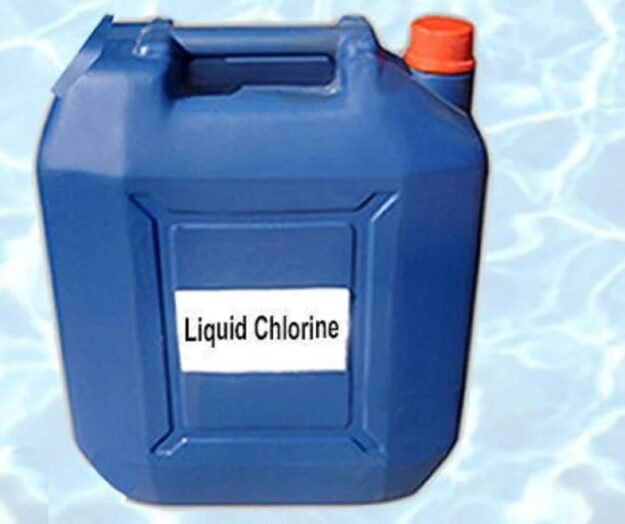

Reviews
There are no reviews yet.